Building XOrder: My Journey to Revolutionize Restaurant Management
A deep dive into creating a modern restaurant management system, from concept to deployment

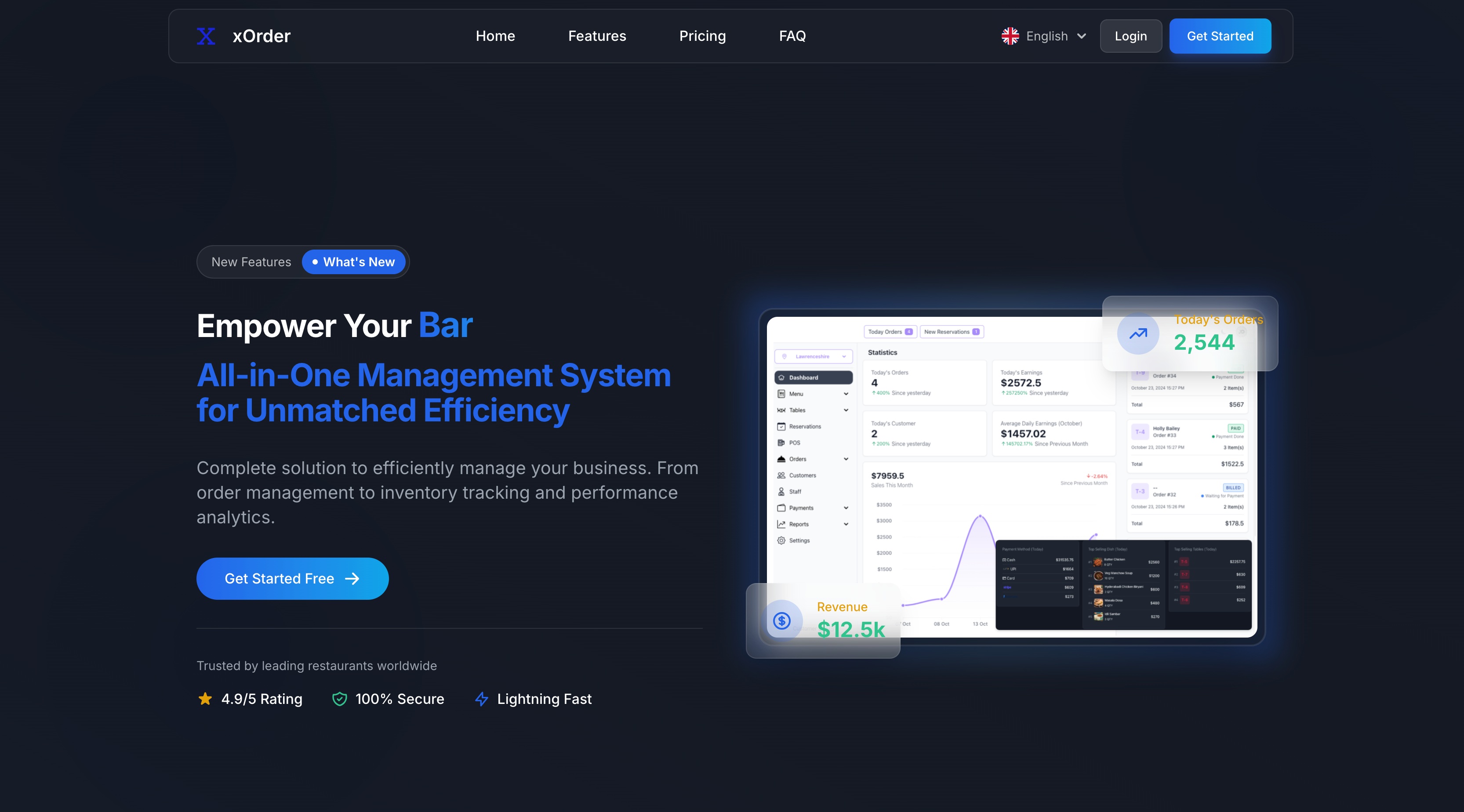
Published on March 25, 2024 | Tag: Case Study
Picture this: me, hunched over my laptop at 2 a.m., the screen’s glow casting shadows across my face, a lukewarm coffee in hand, and a stubborn bug taunting me from the code. That’s where XOrder began, not as some polished idea, but as a messy, passion-fueled mission. I’m an indie developer who lives for these late-night battles, where every line of code feels like a step toward solving a real problem. XOrder isn’t just another restaurant management system; it’s my personal quest to build something that makes life easier for restaurant owners and their teams. Along the way, there were hurdles that tested my patience and breakthroughs that felt like striking gold. In this post, I’m pulling back the curtain on that journey, the tech, the triumphs, and the moments I nearly tossed my laptop out the window.
XOrder didn’t come together by accident. I picked tools that could handle the job and still let me sleep (sometimes). Here’s what powers it:
The idea hit me after watching restaurant owners wrestle with clunky software or settle for bare-bones apps that couldn’t keep up. Too complicated, and they’re lost in menus they don’t need; too simple, and they’re stuck without real tools. I wanted XOrder to be the sweet spot, a system that’s powerful yet approachable, tailored to fit a tiny bistro or a packed steakhouse. It’s about giving them control without the chaos.
Updating menus used to be a nightmare, scribbling changes, reprinting sheets, praying every location got the memo. With XOrder, owners can tweak their menus in real-time, wherever they are. Add a new dish, swap out photos, or launch a happy hour special, all from one dashboard. It’s like handing them a magic wand for their offerings.
XOrder keeps orders flowing like clockwork. From the second a customer says “I’ll have the burger,” it’s tracked, table to kitchen to table again. Staff can update statuses on the fly, cutting down on mix-ups. It’s like giving the kitchen an extra pair of hands during the dinner rush.
Ever seen a host juggling a phone and a scribbled notebook? XOrder’s reservation system takes that stress away. Customers book online, staff see table statuses live, and seating gets optimized without the headache. Fewer waits, happier diners.
The built-in POS is a breeze to use, fast transactions, split bills, discounts, you name it. It’s designed to keep the line moving, even when the place is packed. No more fumbling with clunky terminals.
Orders zip straight to the kitchen via digital tickets. No more shouting over the counter or losing scraps of paper, chefs get clear, accurate instructions, pronto. It’s a small tweak that makes a big difference.
XOrder dishes out reports that cut through the noise, sales trends, staff performance, customer habits. Owners can spot what’s working and tweak what’s not, all backed by hard data. It’s like having a business advisor in your pocket.
Contactless is king these days. Customers scan a QR code, browse the menu, and order from their phones. It’s quick, it’s clean, and it keeps everyone feeling good about dining out.
With Stripe and Razorpay baked in, payments are secure and flexible. Customers pick their method, and owners don’t sweat the details. Smooth checkouts, every time.
XOrder lets admins assign roles, set permissions, and schedule shifts without breaking a sweat. It’s all about keeping the team in sync and the sensitive stuff locked down.
Track table turnover or divvy up the floor into zones, XOrder makes it easy to maximize seating and keep the vibe flowing. Busy nights? No problem.
Printing bills is quick and crisp, and real-time payment tracking keeps the books in check. Owners always know where the money’s at, pending, partial, or paid.
A customer database captures preferences and feedback, letting owners personalize the experience. It’s the secret sauce for turning first-timers into regulars.
Every restaurant gets a custom order site, plus theme options to match their style. Logos, colors, vibes, it’s their brand, front and center.
I built the frontend with Laravel Blade for snappy templating, think PHP and HTML playing nice together. Tailwind CSS gave me styling superpowers, letting me craft a responsive look fast. And Alpine.js sprinkled in lightweight interactivity, keeping things zippy without the bloat.
Laravel runs the show here, with its clean code and time-saving tricks like Eloquent ORM. MySQL handles the data, steady as a rock, while Amazon S3 stores files securely in the cloud. It’s a combo that’s tough to beat.
Stripe and Razorpay make payments a breeze, and Pusher powers real-time notifications, think instant “your table’s ready” alerts. These tie-ins keep XOrder humming.
I obsessed over making XOrder intuitive. User testing shaped every click, ensuring even tech-shy owners could jump in. It’s responsive too, works as well on a phone as it does on a desktop.
The interface is clean and modern, with warm tones that nod to hospitality. I leaned on visual hierarchy, big buttons, bold calls-to-action, so users never feel lost. It’s functional art.
I went full Agile, sprints, iterations, the works. Breaking it into chunks kept me sane and let me pivot when feedback rolled in. Daily check-ins (sometimes just me and my coffee) kept the momentum going.
Git tracked every code change, while Trello turned into my mission control, cards sliding from “To Do” to “Done” felt like mini victories. They kept me on track.
XOrder isn’t just software, it’s my blood, sweat, and caffeine in digital form. It’s built to empower restaurant owners, streamline their days, and delight their customers. The journey was wild, moments of “I can’t do this” crashed into “I did it!” highs. I’ve grown as a developer and learned the restaurant world inside out. If you’re running a spot and want to ditch the chaos, give XOrder a spin at xorder.co. Got thoughts? Hit me up, I’m all ears for making it better.
Thanks for riding along on this adventure. Here’s to transforming dining, one restaurant at a time!
Kicking Things Off: Late Nights and Big Dreams
The Tech Stack: My Trusted Toolkit
- Laravel: The backbone of the backend. Its sleek syntax and built-in goodies, like authentication and routing, made my life so much easier.
- MySQL: A rock-solid database choice. It’s reliable, scales well, and keeps all that restaurant data humming along.
- Livewire: Real-time UI updates without drowning in JavaScript? Yes, please. It’s like magic for dynamic interfaces.
- Alpine.js: Lightweight and punchy, it adds just enough interactivity without bogging things down.
- Tailwind CSS: Styling made fast and fun. I whipped up a slick, responsive design without tearing my hair out.
- Shadcn: Pre-built UI components that look gorgeous and play nice with accessibility.
- AWS: The cloud muscle behind it all, scalable storage and servers I don’t have to babysit.
The Spark: Why XOrder Matters
Features That Make XOrder Shine
Menu Management: Goodbye, Paper Chaos
Order Management: Kitchen Harmony
Table Reservations: No More Guesswork
POS System: Checkout, Simplified
Kitchen Order Tickets: Precision on Point
In-Depth Reports: Numbers That Talk
QR Code Menus: Modern and Safe
Payment Integration: Cash Flow, Sorted
Staff Management: Who Does What
Table and Area Management: Space Smarts
Bills and Payments: Fast and Flawless
Customer Love: Loyalty Built In
Branding: Make It Yours
Under the Hood: The Technical Nitty-Gritty
Frontend: Where It Looks Good
Backend: The Engine Room
Integrations: The Glue
Designing for Humans: UX/UI
UX: Easy Does It
UI: Pretty Meets Practical
How It Came Together: Project Management
Agile: Small Wins, Big Results
Tools: My Lifelines
The Rough Patches: Challenges I Faced
- Payment Gateways: Hooking up Stripe and Razorpay was like herding cats, each had its own quirks. Testing without charging myself took finesse, but I nailed it after a few late-night marathons.
- Real-Time Notifications: Pusher was a dream until it wasn’t. Hours of debugging led to a facepalm moment: a typo in the config. Lesson learned, check the small stuff.
- User Feedback: Hearing “love it” was gold, but “needs work” meant rethinking features on the fly. One tool took three redesigns, but perfection was worth it.